Bedding · Sheet guide
Percale or Sateen? Understanding Sleep and Beyond Cotton Sheets
A sheet’s character begins in the weave. Percale feels crisp and airy; sateen feels smooth and softly luminous. Understanding how cotton fibers are arranged—and how that construction meets your own habits—can help you choose bedding that feels right night after night.
At bedtime, the difference between two cotton sheets can be as immediate as the contrast between a cool stone and a polished wooden surface. One has a clean, dry crispness; the other glides softly beneath the hand. Both may be made from cotton. The distinction lies largely in how their threads cross.
That simple structural choice shapes more than appearance. Weave influences texture, drape, airflow, and the way a sheet changes with use and laundering. It does not, by itself, determine whether a sheet is good or bad, nor can it guarantee a particular sleep experience. Personal comfort, room conditions, fiber quality, and care all play a part.
For anyone considering Sleep and Beyond sheets, the practical question is not which weave wins in the abstract. It is which one suits your preferred feel, how warm you tend to sleep, and the care routine you are likely to maintain. Sleep and Beyond’s organic cotton percale sheets offer a useful example of a crisp, breathable cotton construction. Knowing what percale does—and how it compares with sateen—makes that choice easier to evaluate.
What “weave” means in a cotton sheet
Cotton fabric begins as yarn: fibers spun together into threads. Weaving interlaces those threads in a planned pattern, with lengthwise threads called the warp and crosswise threads called the weft. The arrangement affects the surface that touches the skin and the spaces through which air and moisture can move.
Percale and sateen are both familiar cotton weaves, but they place their threads differently. Percale uses a balanced, one-over-one-under pattern. Sateen uses a construction in which a thread passes over several others before going beneath one. That longer float—thread lying across the surface—creates sateen’s characteristic smoothness and subtle sheen.
These are descriptions of fabric structure, not a ranking of comfort. Two sheets made in the same weave may still feel different because of the cotton yarn, fabric weight, finishing, and laundering history. A newly washed percale sheet may feel more pronounced and crisp; repeated washing can soften it. Sateen can also change with use, while retaining a smoother, more fluid hand.
Percale: the crisp, open-feeling choice
Percale’s balanced construction gives it a matte surface and a crisp hand. The fabric tends to feel light and clean rather than silky or glossy. Many sleepers describe it as similar to the cool, freshly made bed of a quiet inn: smooth, but with a little structure under the palm.
The weave’s character often makes percale appealing to people who prefer an airy feel or who find very smooth fabrics too warm or slippery. Its relatively straightforward construction can allow good airflow, though actual breathability also depends on the cotton, yarn, fabric weight, and finishing. Room temperature, humidity, sleepwear, and the rest of the bedding layers matter, too.
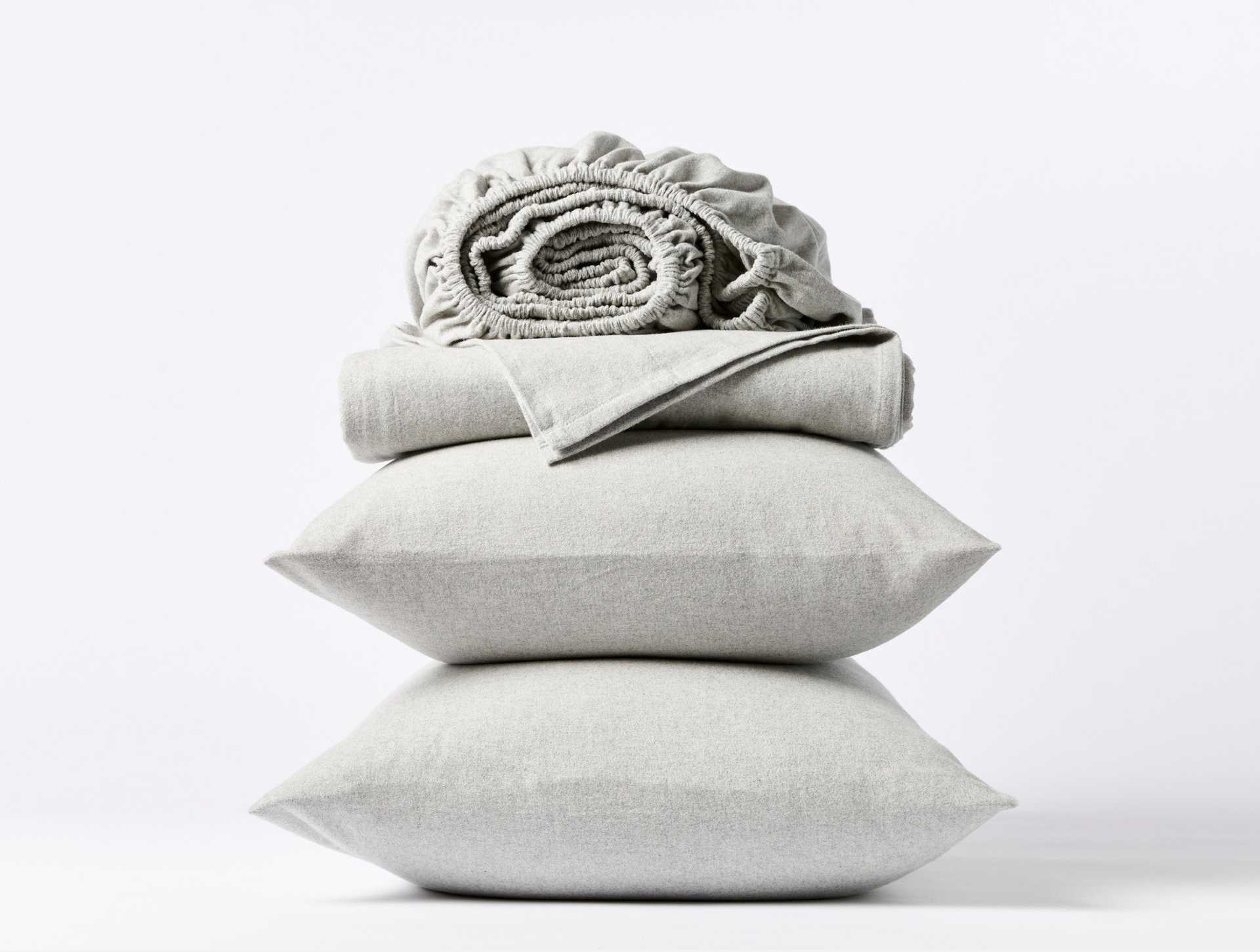
Sleep and Beyond’s 100% organic cotton percale sheet set is described as lightweight, crisp, and breathable, with a 270-thread-count fabric. Its fitted sheet is specified for mattresses up to 18 inches deep, and the set is offered in multiple sizes, including Split King. Those details can help readers assess fit and feel, but the most useful measure is still how the fabric suits the sleeper. A crisp sheet may feel pleasantly fresh to one person and too textured to another.
As with any cotton bedding, initial impressions may evolve after washing. Following the maker’s care instructions helps protect the fabric and preserve fit. If a set feels especially crisp out of the package, give it a wash before deciding whether that texture works for you.
Explore the Sleep and Beyond 100% Organic Cotton Percale Sheet Set for its stated construction, sizing, and care details.
Sateen: a smoother surface with a soft sheen
Sateen is recognized by its smooth face and gentle luster. Because the weave places longer thread floats on the surface, it can feel softer and more fluid than percale. The drape is often less crisp, and the surface may catch light in a subtle way rather than appearing fully matte.
That silky hand can be appealing to sleepers who like their bedding to feel supple and smooth against the skin. Sateen may also feel a little more substantial than a lightweight percale, though that depends on the particular fabric rather than the weave alone. In a cool room, its soft, enveloping quality may be welcome; in a warm room, someone who prefers a crisp, airy sensation may gravitate toward percale instead.
It is tempting to turn this contrast into a simple rule—percale for hot sleepers, sateen for cold sleepers—but individual experience is more complicated. A person’s perception of warmth depends on the whole sleep environment: the mattress, duvet or comforter, room temperature, clothing, and personal comfort. A weave can contribute to the sensation without determining it. If you are unsure, consider the texture you enjoy most and the bedding layers you already use.
Sateen’s smooth surface may also show wrinkles or wear differently from percale. How noticeable that is depends on color, finish, laundering, and expectations. Neither weave is entirely maintenance-free; both benefit from careful washing, appropriate drying, and prompt attention to the manufacturer’s instructions.
Percale versus sateen at a glance
| Consideration | Percale | Sateen |
|---|---|---|
| Surface feel | Crisp, matte, and lightly structured | Smooth, soft, and more fluid |
| Appearance | Usually low-sheen and clean-looking | Often has a subtle, soft sheen |
| Airflow impression | Often perceived as airy; actual performance varies by fabric | May feel more substantial; construction and weight matter |
| A good starting point for | People who enjoy a crisp, fresh-sheet sensation | People who prefer a silky, smooth hand |
| Care considerations | Follow the label to maintain texture and fit | Follow the label to preserve the surface and finish |
This comparison describes common tendencies, not guarantees. Fabric weight, yarn quality, finishing, and the conditions in which a sheet is used can shift the experience considerably. The label “percale” or “sateen” is a helpful beginning, not the whole story.
Why thread count is only one part of the story
Thread count is often treated as a shortcut for quality: a higher number must mean a softer, better sheet. In practice, it counts the number of threads in a square inch of fabric, and it cannot tell you everything about the material. Fiber quality, yarn construction, weave, and finishing all influence how cotton feels and performs.
A well-made, moderate-thread-count percale can feel crisp and comfortable without an especially high number. Sateen at a similar count may feel smoother because of its different weave. Comparing thread counts across fabrics is therefore less useful than comparing the actual characteristics that matter to you: hand feel, breathability, weight, durability, fit, and care.
For Sleep and Beyond’s organic cotton percale sheets, the supplied product details identify a 270-thread-count fabric. That figure is one point of reference, not a complete verdict. A shopper choosing between cotton sheets should also check the fabric description, set contents, mattress depth, size, and laundering instructions. These practical details often determine whether a set works well in everyday life.
Cotton fiber, certifications, and comfort
Weave explains how threads cross; fiber explains what those threads are made from. Cotton bedding can vary in fiber length, yarn quality, and finishing. Those differences may affect strength, softness, and the way fabric responds to repeated laundering. A weave name alone does not specify every aspect of the sheet.
Sleep and Beyond’s percale set is described as GOTS-certified organic cotton. Certification can provide information about defined standards across the relevant supply chain, but it does not tell you whether a particular fabric will feel cool, crisp, or soft to your own skin. Those sensations are shaped by construction and personal preference. Readers who prioritize a particular certification should check the current product label and certification details for the item they are considering.
Comfort also depends on fit. A fitted sheet that is too shallow may pull loose; an oversized one can bunch beneath the body. Mattress depth, toppers, and protectors all affect the measurement you need. Before choosing a set, measure the mattress from edge to edge, including any topper that will remain beneath the sheet, and compare that figure with the stated pocket depth.
How laundering changes the experience
Sheets live a hardworking life. They are slept on, folded, washed, dried, and returned to the bed, sometimes every week. Care is not just a final detail on a product label; it is part of the fabric’s long-term performance.
Follow the care instructions supplied with the sheets. Washing temperature, detergent, drying heat, and load size can affect shrinkage, surface feel, and wear. Avoid assuming that all cotton bedding should be treated identically. If a sheet set has specific instructions, those should take precedence over general advice.
For the Sleep and Beyond percale set, the product information describes it as machine washable. Check the current label for the recommended cycle and drying method, and avoid overloading the washer so the fabric can move freely. Once washed, dry the sheets according to their instructions and remove them promptly if you prefer a smoother, less rumpled bed.
Use a duvet cover and pillow protectors when appropriate to reduce the frequency with which the underlying bedding needs washing. Regularly laundering sheets and pillowcases is a practical part of bedroom hygiene; the right schedule depends on household needs, climate, and personal circumstances. Bedding that is easier to care for is more likely to fit naturally into a routine.
A simple way to choose your weave
Start with the sensation you want when you get into bed. Imagine a sheet as a surface rather than a number on a label. If “crisp,” “fresh,” and “matte” sound appealing, percale may be a natural place to begin. If “silky,” “smooth,” and “softly draped” better describe your preference, consider sateen.
- Choose percale as a starting point if you enjoy a clean, crisp texture and want to explore breathable cotton bedding.
- Consider sateen if you prefer a smoother surface and a softer, more fluid drape.
- Check the full product details for cotton type, weave, fabric weight or thread count, set contents, and care instructions.
- Measure your mattress, including any topper, and confirm fitted-sheet depth before ordering.
- Think about your whole sleep setup, including room conditions and duvet weight, rather than expecting the sheet weave to control warmth on its own.
If possible, feel both types of fabric before making a decision. If that is not practical, use the construction description as a guide and keep your expectations flexible: “crisp” and “smooth” are useful tendencies, but people experience them differently. A sheet’s first wash may also change its hand, so follow the care instructions before judging how it feels after settling into use.
A calmer bedroom starts with the details
Sheets are one small part of a sleep environment, but they are the part most directly felt against the skin. Choosing between percale and sateen is therefore a practical exercise in noticing: how much texture you like, whether you prefer a crisp or fluid surface, how warm your room tends to be, and which care routine is realistic.
Sleep and Beyond’s organic cotton percale sheets illustrate the crisp side of that choice. Their stated 270-thread-count cotton percale, range of sizes, and machine-washable construction provide useful points for comparison. Sateen offers a different experience, with a smoother face and subtle sheen. Neither is universally superior. The better option is the one that feels comfortable, fits the bed, and remains manageable in the rhythm of everyday care.
In the end, a well-chosen sheet does not need to make a promise about perfect sleep. It simply needs to support the conditions you find restful: a comfortable surface, clean bedding, and a bedroom that invites the day to recede. Start with the weave, look beyond the thread count, and let your own sense of comfort make the final decision.