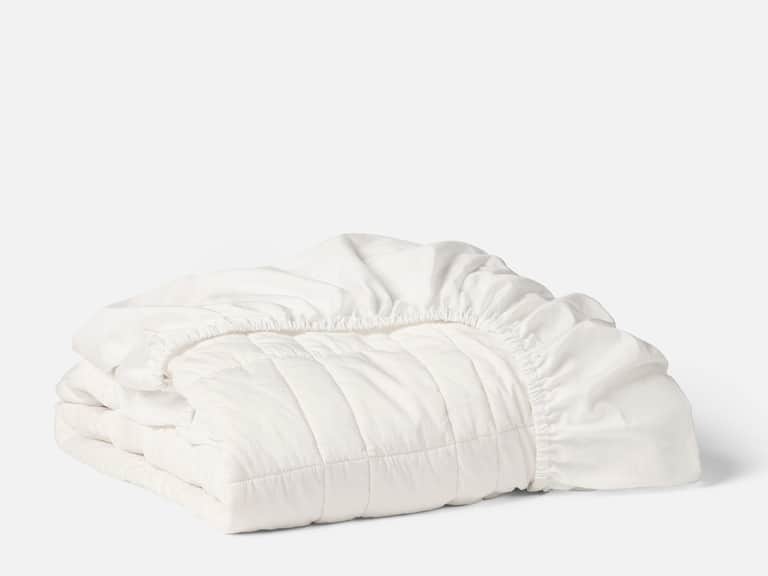
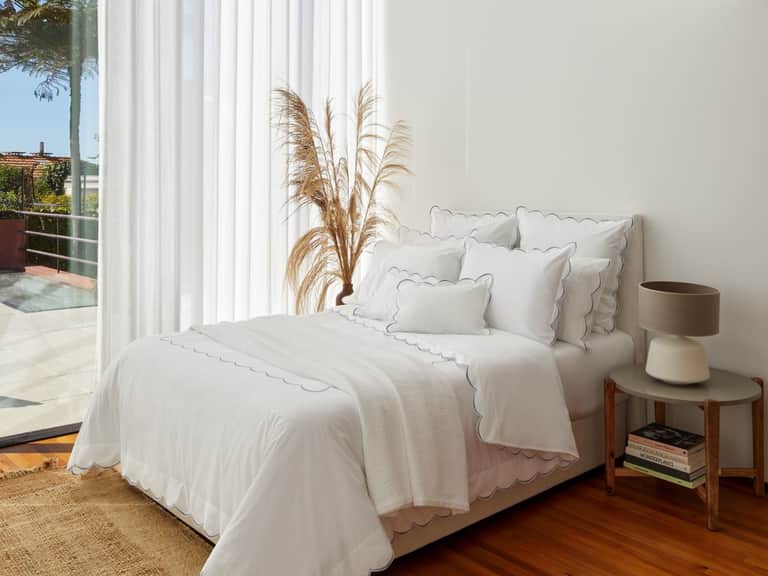
In the quiet rooms where morning light first touches the sheets, the mattress serves as the foundation of rest and renewal. Organic mattresses promise more than comfort; they offer a disciplined approach to materials, chemistry, and longevity. This guide examines two brands frequently cited in wellness and sleep conversations: Sleep and Beyond and Naturepedic. Each represents a different thread in the same fabric of informed consumer choice—materials chosen with care, certifications that verify health-conscious practices, and maintenance routines that extend life and sustain performance.
The broader narrative around organic sleep systems links to a growing awareness: the bed is not merely a place to sleep, but a sanctuary where air, temperature, humidity, and even the micro-chemistry of fabrics influence how we rest. When a mattress is built with organic cotton, wool, or latex, and carries credible certifications, it reduces exposure to harsh chemicals without sacrificing comfort. The stories that follow interweave material science with lived experience, offering practical, actionable insight for readers who want sleep that is both healthier and more restorative.
Material Deep-Dive: How Fills Shape Sleep Temperature and Longevity
The core differences in organic mattresses often lie in fill. Organic cotton and wool bring natural fibers into play, while latex—whether natural or blended—contributes resilience and consistent contour. Sleep and Beyond and Naturepedic both foreground organic credentials, yet they approach comfort from distinct angles.
Sleep and Beyond emphasizes a holistic, natural approach to bedding systems. Their offerings frequently highlight GOTS-certified organic cotton, sustainable wool, and cotton-sateen or cotton-knit covers that breathe with the body. These materials help regulate temperature, wick moisture, and reduce the reliance on synthetic flame retardants found in some conventional mattresses.
Naturepedic, a well-known name in the organic mattress space, often emphasizes certified organic components across the mattress, including GOTS-certified fabrics and the absence of harmful chemicals. Their packaging and construction choices reflect a commitment to transparency and long-term health considerations, with ongoing attention to certification standards such as GOTS and GREENGUARD.
In both brands, wool stands out for its temperature-regulating properties, naturally wicking moisture and helping sleepers stay cooler in the night’s warmth and warmer in cooler climes. Organic cotton fibers contribute to breathability and a crisp hand that remains comfortable through seasons. If you prefer a more contouring sleep experience, latex offers durable support with pressure relief, though it may require careful sourcing to ensure organic certification and environmental responsibility.
Certification and Care: How to Verify Trustworthy Foundations
Certifications function as a lighthouse for shoppers navigating a crowded marketplace. GOTS (Global Organic Textile Standard) confirms the organic status of textiles, and GREENGUARD Gold certification helps ensure low chemical emissions in the final product. For mattresses, additional verifications such as GOLS (Global Organic Latex Standard) and IDFL (International Down and Feather Laboratory) certifications for down products provide further assurance about material origin, processing, and safety.
When evaluating a mattress, look for explicit statements about the core components: whether latex is natural or blended, the source and treatment of wool, and the treatment and processing of cotton fibers. A robust care routine—vacuuming the surface, rotating the mattress as advised by the manufacturer, and using a breathable, protective cover—extends longevity and maintains comfort. For organic wool pads and covers, spot-cleaning and air-drying help preserve loft without compromising fiber integrity.
Care Tips for Longevity and Sleep Health
A mattress’s health begins with its cover and core but continues through routine care. Rotate or flip according to guidance, use a mattress protector to guard against spills and dust mites, and maintain a clean sleeping environment that supports airflow. For wool-filled layers, avoid frequent washing; instead, air them out and spot-clean as needed. If you choose a latex core, ensure that you frequently air the mattress to avoid moisture buildup and maintain the integrity of the natural components.
As with any high-quality sleep product, careful setup matters. Pairing an organic mattress with breathable sheets—percale or sateen made from long-staple cotton—can optimize comfort and temperature regulation. The synergy between mattress and bedding layers contributes to sustained restorative sleep, especially when the room’s environment supports consistent airflow and moderate humidity.
Historical Perspectives: Three Key Figures Shaping Sleep and Materials
Across centuries, individuals have shaped how we think about sleep surfaces and textiles. Their ideas, tested through years of use and evolving science, illuminate the path we walk today.
- Sir Thomas Browne (1600s): A physician and scholar who reflected on the intimate relationship between the body and its environment. While not a mattress designer, his inquiries into healthful living foreshadowed later concerns about cleanliness, air quality, and the body’s response to environment—a lineage that informs modern sleep science and the emphasis on breathable materials.
- Anni Albers (1885–1994): A master weaver whose commitment to natural fibers and textural integrity resonates with organic textile philosophies. Albers’s work celebrates craft and material fidelity, echoing today’s interest in natural fabrics like organic cotton and wool as foundations for better sleep environments.
- Dr. Matthew Walker (b. 1970s): A contemporary sleep scientist who popularized empirical understandings of sleep architecture and environmental influences on sleep quality. His work underlines why the quality of the sleep environment—temperature, light, and air quality—matters as much as the mattress itself, a context that informs brand-led discussions about material choices and certifications.
Brand-Based Comparisons: Sleep and Beyond vs Naturepedic
Sleep and Beyond and Naturepedic approach organic mattresses with shared commitments to transparency and safety, yet they emphasize different facets of the consumer experience.
Sleep and Beyond often foregrounds a holistic system approach: wool or cotton fills, GOTS-certified fabrics, and a focus on temperature regulation. Its storytelling leans into the tactile, sensory aspects of sleep, pairing comfort with environmental responsibility.
Naturepedic, while equally rooted in organic materials, tends to foreground straightforward certifications and a clear delineation of components. The emphasis on GOTS, GREENGUARD, and other third-party validations provides a straightforward confidence signal for many shoppers seeking explicit proof of safety and environmental care.
In practical terms, readers should consider their own sleep profiles: how they regulate temperature, how they respond to firmness, and whether they favor the contouring feel of latex or the buoyant lift of wool and cotton composites. Reading product specifics—fill percentage, fabric finish, cover composition—helps translate brand language into personal comfort.
A Curated Look at Selected Products
The following products illustrate the diversity of organic sleep foundations available to readers. Each item represents a balance of organic materials, performance, and care considerations described above.

Bedroom Machine by Austin Air
A robust air purification system that complements an organic sleep foundation by delivering cleaner air through a five-stage filtration, including HEGA carbon cloth. While not a mattress, its role in a healthier sleep environment is central to discussions of overall sleep quality.
Price: 995.00
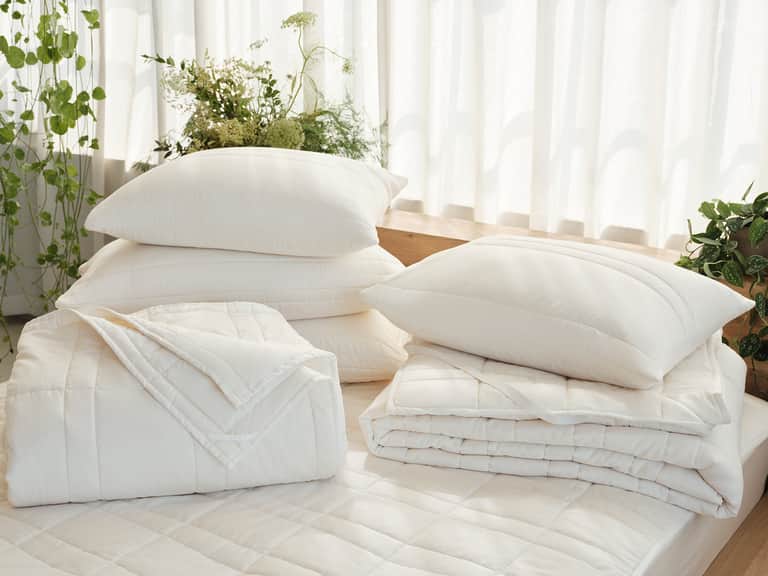
Washable Wool Filled Mattress Pad
A machine-washable wool-filled option with a Cloud Soft Organic Sateen shell. It blends warmth regulation with easy care, offering a plush layer that complements organic mattress cores.
Price: 298.00
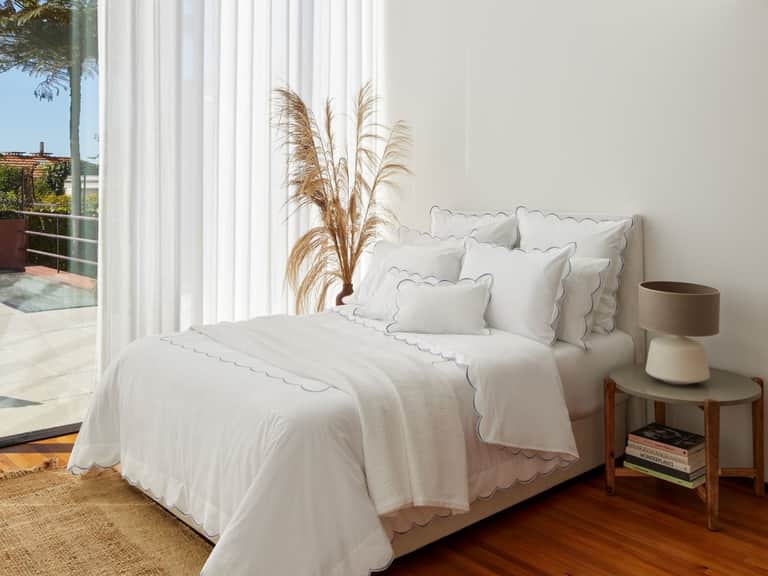
Bovi Nazaré Percale Duvet Cover
A 200-thread-count percale with elegant scalloped edging, available in several refined trims. The cover embodies a crisp, breathable finish that suits year-round comfort.
Price: 544.00
These examples illustrate how organic materials manifest across layers—from protective covers to finishing touches. For readers seeking a fully organic sleep system, aligning product choices with credible certifications and meticulous care will yield a foundation that supports restful nights and healthier living.
Visualizing Sleep: A Practical Layout for an Organic Bedroom
A serene sleep environment blends architecture with textile science. Start with a modest color palette—soft whites, warm creams, and gentle taupes—to foster cognitive calm. Layer textiles with breathable, natural fibers; keep the room cool enough to promote efficient sleep onset; and strategically place air-quality tools, like the Battery-Grade Bedroom Machine, to manage particulates and odors. If you opt for a wool-filled mattress pad or a linen duvet cover, let their natural textures contribute to the room’s tactile depth without overwhelming the senses.
The goal is to create a space that communicates quiet authority about health and well-being, a sanctuary where the mind can rest as deeply as the body. This is the essence of designing a bedroom that truly cares for the sleeper—from the mattress core to the fabrics that surround it.
Conclusion: Making an Informed Choice for Sleep Health
Choosing an organic mattress is part science, part habit. It involves inspecting materials, verifying certifications, and understanding how care routines affect performance over time. By foregrounding organic components, transparent certifications, and practical maintenance, readers can build a sleep foundation that minimizes chemical exposure while maximizing comfort and longevity.
In the end, the best mattress is one that harmonizes with your body and your environment. A brand-based guide helps you navigate the landscape with confidence, ensuring that your bed remains a place of rest, rejuvenation, and enduring health.